

Semaglutide vs Tirzepatide vs Retatrutide: Comparing the Three Research Peptides

Semaglutide, tirzepatide, and retatrutide are the three most-searched research peptides in metabolic science — and they represent a clear progression: single, dual, and triple receptor agonists. This guide compares how they are described in the literature, what research each has behind it, and how to verify what is actually in the vial. Framed for research context only.
Three generations of incretin peptides
Incretin-based peptides work by engaging gut-hormone receptors that researchers study in glucose and body-weight models. The three headline names line up as successive generations of that idea:
- Semaglutide — a single agonist at the GLP-1 receptor.
- Tirzepatide — a dual agonist, adding the GIP receptor.
- Retatrutide — a triple agonist, adding the glucagon receptor on top of the other two.
More targets does not automatically mean "better" — it means a different pharmacological profile that researchers study for different questions. The comparison below is neutral by design.
The full comparison table
| Attribute | Semaglutide | Tirzepatide | Retatrutide |
|---|---|---|---|
| Agonist type | Single | Dual | Triple |
| Receptors | GLP-1 | GIP + GLP-1 | GIP + GLP-1 + glucagon |
| Developer | Novo Nordisk | Eli Lilly | Eli Lilly |
| Development code | — | LY3298176 | LY3437943 |
| Approved brands (elsewhere) | Ozempic / Wegovy | Mounjaro / Zepbound | None — investigational |
| Clinical-data maturity | Extensive | Extensive | Emerging (phase trials) |
| Primary research focus | Glucose, body-weight | Glucose, body-weight | Body-weight, glucose, hepatic |
| Form | Lyophilized; reconstituted | Lyophilized; reconstituted | Lyophilized; reconstituted |
How the mechanisms differ
The difference between these three is not marketing — it is receptor pharmacology:
- GLP-1 receptor (all three) — the core incretin pathway researchers associate with glucose handling and appetite signalling in models.
- GIP receptor (tirzepatide, retatrutide) — the second incretin pathway; its addition defines the "dual" agonists.
- Glucagon receptor (retatrutide only) — associated in study models with energy expenditure and hepatic metabolism, and the reason retatrutide is called a "triple" agonist.
A note on each peptide
Semaglutide is the most-studied of the three, with the deepest clinical literature behind the GLP-1 mechanism. Tirzepatide added the GIP receptor and generated its own extensive trial programme. Retatrutide is the newest and the only one still investigational; its published phase 2 data is what put it on every researcher's radar. See what is retatrutide for the triple agonist in depth.
Which one is "best"?
The honest answer: there is no single "best" — there are different research tools for different questions. A study focused on the GLP-1 pathway alone is not improved by a triple agonist; a project exploring glucagon-receptor effects needs retatrutide specifically. Anyone ranking them as consumer products is selling, not summarising. In research, the right molecule is the one that matches the question.
How to verify purity: COA & HPLC
Across all three, the same rule applies: what is actually in the vial matters more than the name on the label. Here is how researchers verify it.
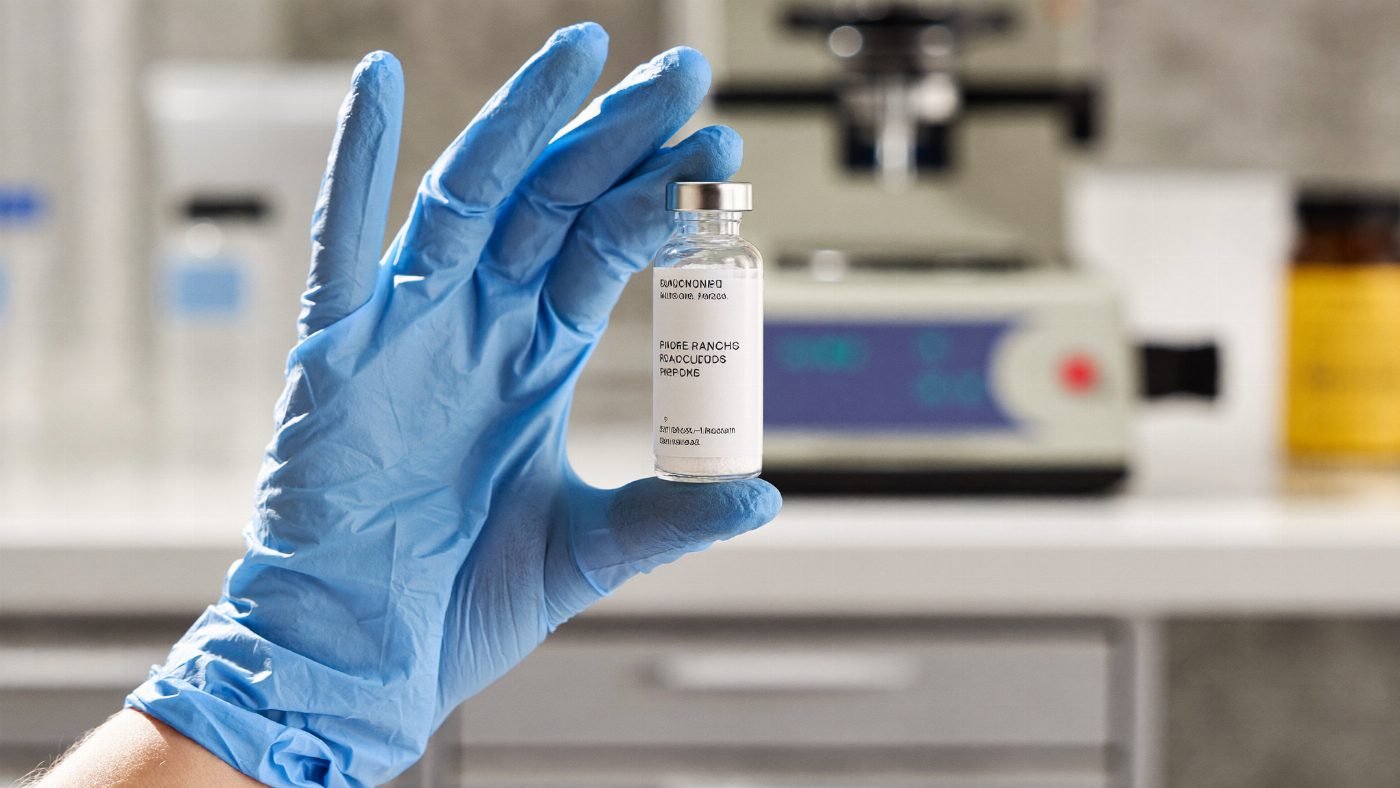
- Certificate of Analysis (COA): the batch-specific report; the batch number should match your vial.
- HPLC purity: the standard measure — look for ≥99%, tested per batch.
- Third-party testing: an independent lab result beats an in-house claim.
Every 94 Supreme batch ships with its own COA
Semaglutide, tirzepatide, and retatrutide — all third-party tested to HPLC ≥99%, per batch. See the certificates.
Frequently asked questions
Are these approved medicines?
Semaglutide and tirzepatide are approved elsewhere under brand names (Ozempic/Wegovy and Mounjaro/Zepbound). Retatrutide is investigational. On this site all three are sold strictly as research compounds, not as medicines.
Is a triple agonist automatically better than a single one?
No. More receptor targets means a different pharmacological profile, not a universally "better" one. The right research tool depends on the question being studied.
What is the real difference between them?
Receptor targets: semaglutide (GLP-1), tirzepatide (GIP + GLP-1), retatrutide (GIP + GLP-1 + glucagon). See the comparison table above.
Which has the most human data?
Semaglutide and tirzepatide have the most mature clinical literature; retatrutide's human data is emerging from phase trials.
Do they all reconstitute the same way?
All three ship as lyophilized powder and are reconstituted with bacteriostatic water for research. Our reconstitution and storage calculators handle the concentration math.
Why does purity matter across all three?
Impurities are variables in any experiment. A per-batch HPLC figure on a COA confirms what is actually in the vial.
Research-grade GLP-1 peptides, tested and shipped from Canada
HPLC ≥99%, a COA for every batch, and 1–3 day Xpress Post across Canada.
References
- Jastreboff AM, et al. (2023). Retatrutide (LY3437943) for Obesity — Phase 2 Trial. New England Journal of Medicine. PubMed
- Coskun T, et al. (2022). LY3437943, a triple glucagon/GIP/GLP-1 receptor agonist. Cell Metabolism. PubMed
- Jastreboff AM, et al. (2022). Tirzepatide Once Weekly for Obesity (SURMOUNT-1). New England Journal of Medicine. PubMed
- Wilding JPH, et al. (2021). Once-Weekly Semaglutide (STEP 1). New England Journal of Medicine. PubMed
Citations point to PubMed so you can read the primary sources directly.
For research use only. Not for human or veterinary consumption. This article is educational and summarizes published research; it is not medical advice and not a dosing protocol. Products are sold strictly as research chemicals.